

Understanding Your Rights at a DUI Checkpoint in California
March 16, 2026 | Nafiz M. Ahmed
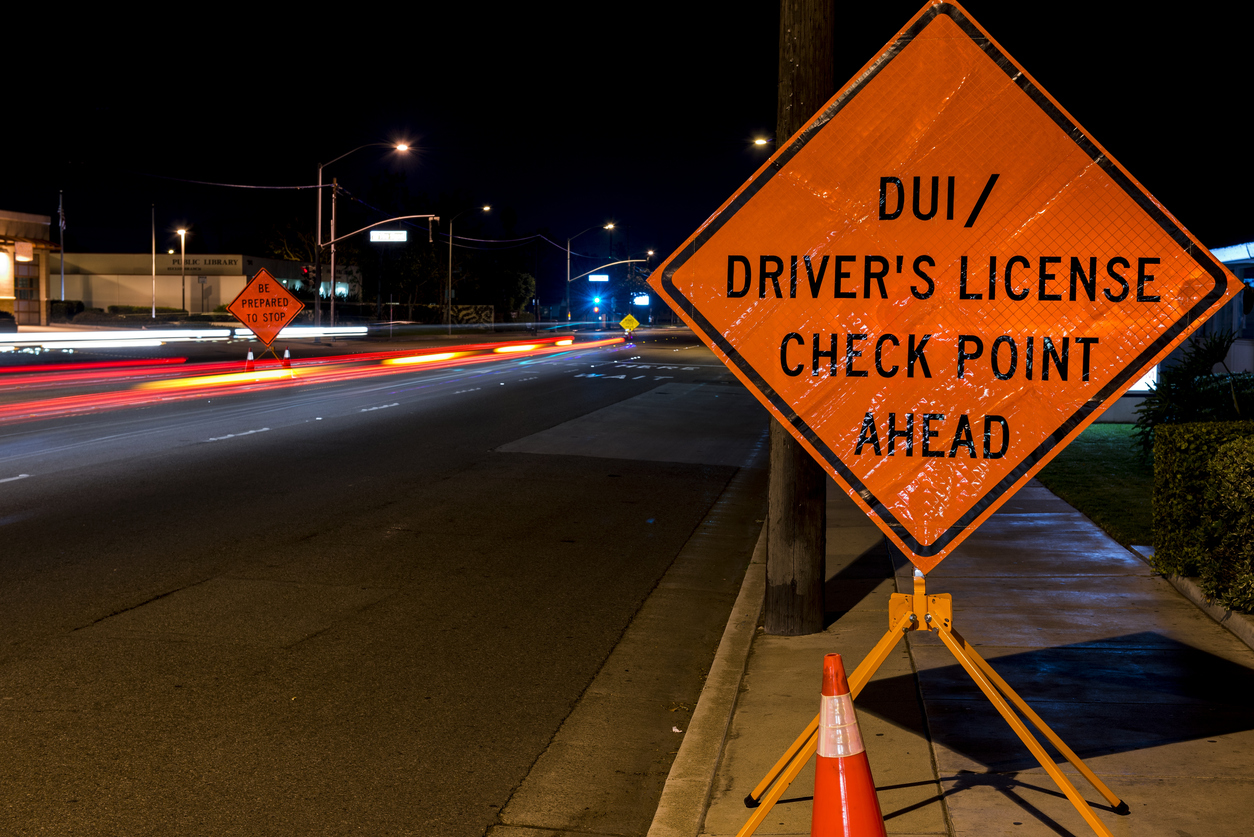
DUI checkpoints are a common law enforcement tool used throughout California to deter and detect impaired driving. While these checkpoints are legal under state law, drivers still have constitutional protections when they encounter one.
Understanding your rights if stopped can help you stay calm, avoid unnecessary legal risks, and know what officers can and cannot require during a stop.
What Is a DUI Checkpoint?
A DUI checkpoint, also called a sobriety checkpoint, is a temporary roadblock where law enforcement officers stop vehicles to look for signs of impaired driving. These checkpoints are typically set up in areas where DUI-related incidents are more common, such as near nightlife districts or during holidays and weekends.
At a checkpoint, officers briefly stop drivers to check for signs of alcohol or drug impairment. The interaction is usually short unless an officer suspects the driver may be under the influence. Unlike a standard traffic stop, officers do not need individualized suspicion to stop drivers at a checkpoint.
Your Rights at a DUI Checkpoint
Although law enforcement officers have the authority to conduct sobriety checkpoints, drivers still maintain important legal protections under the U.S. Constitution and California law.
The Right to Remain Silent
When you are stopped at a DUI checkpoint in California, you are required to provide certain basic identifying information to law enforcement. Officers may ask to see documentation to confirm that you are legally operating the vehicle.
Drivers must provide:
- A valid driver’s license
- Vehicle registration
- Proof of insurance
However, drivers are generally not required to answer questions that may be incriminating. Officers may ask whether you have been drinking, where you are coming from, or how much alcohol you have consumed. You are not legally obligated to answer these questions.
The Right to Refuse Field Sobriety Tests
If an officer suspects that a driver may be impaired, they may ask the driver to perform field sobriety tests. These roadside tests are intended to help officers observe signs of intoxication by evaluating balance, coordination, and eye movement.
Common field sobriety tests include:
- Walk-and-turn test
- One-leg stand test
- Horizontal gaze nystagmus (eye movement) test
In most situations, these tests are voluntary in California, meaning drivers can decline to participate. However, there are limited exceptions. Drivers who are under the age of 21 or who are currently on DUI probation may be required to take a preliminary alcohol screening test.
Right to Be Free From Unreasonable Searches
The Fourth Amendment protects individuals from unreasonable searches and seizures, including during DUI checkpoint stops. Officers cannot search your vehicle simply because you passed through a checkpoint.
In most cases, a search requires one of the following:
- Your consent
- Probable cause that a crime has occurred
- A valid search warrant
- Another recognized legal exception
For example, if an officer smells alcohol or sees open containers in the vehicle, that may provide probable cause for a search. Without such justification, officers generally cannot search your vehicle without permission.
California’s Implied Consent Law
California’s implied consent law means anyone who drives on California roads is considered to have agreed to chemical testing if they are lawfully arrested for DUI. These tests are used to measure blood alcohol concentration or detect drugs in the body.
After a DUI arrest, an officer may require a breath or blood test. Unlike field sobriety tests, chemical testing is not optional once an arrest has been made. Refusing a required test can lead to additional consequences, including driver’s license suspension and enhanced penalties if a DUI conviction occurs.
What to Do if You Are Arrested at a DUI Checkpoint
Being arrested at a DUI checkpoint can be stressful, but how a driver responds in that moment can have a significant impact on the situation.
If you are arrested, it is generally advisable to:
- Remain calm and comply with lawful instructions
- Avoid arguing with officers at the scene
- Exercise your right to remain silent
- Request legal representation when appropriate
Anything said during or after an arrest may be used as evidence. For this reason, it is often best to avoid making statements until speaking with an attorney.
Contact Ahmed & Sukaram Criminal Defense Attorneys to Speak With a San Jose DUI Lawyer Today
If you were arrested at a DUI checkpoint or believe your rights may have been violated during a stop in San Jose, California, speaking with an experienced attorney may help you better understand your legal options.
Contact Ahmed & Sukaram, Criminal Defense Attorneys, to speak with a San Jose DUI attorney about your situation today.
Ahmed & Sukaram, Criminal Defense Attorneys – San Jose Office
1625 The Alameda, Suite 405, San Jose, CA 95126
(408) 217-8818
Ahmed & Sukaram, Criminal Defense Attorneys – Redwood City Office
600 Allerton St Suite 201G, Redwood City, CA 94063
(650) 299-0500